

Many businesses try to improve their products by adding more features, better designs, or lower prices. But even after these efforts, customers may still feel dissatisfied.
The reason is simple: not all features create the same level of satisfaction. Some features are expected, some increase satisfaction, and some delight customers unexpectedly. Understanding this difference is very important for business success.
This is where the Kano Model becomes extremely useful. It helps businesses understand how different features affect customer satisfaction and which improvements truly matter.
What is the Kano Model?
This is a product development and customer satisfaction framework created to understand how customers react to different features.
Instead of treating all improvements equally, this model divides product features into categories based on how customers perceive them.
These categories help businesses understand which features are essential and which ones can truly impress customers.
By using the Kano Model, businesses can make smarter decisions about where to invest time and resources.
The Three Main Types of Features
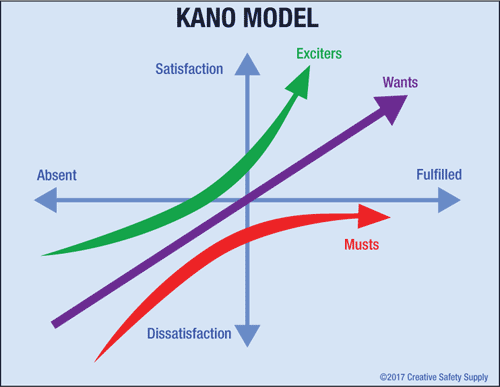
The Kano Model mainly focuses on three types of customer expectations.
1. Basic Needs
These are features customers automatically expect. If these are missing, customers become very dissatisfied.
Examples include:
• Clean rooms in a hotel
• Safe packaging for products
• Reliable delivery service
2. Performance Needs
These features directly influence satisfaction. The better they are, the happier the customer becomes.
Examples include:
• Faster delivery time
• Better product durability
• Strong customer support
Businesses often compete in this category because improvements here are clearly visible to customers.
3. Delight Features
These are unexpected features that surprise customers in a positive way.
For example:
• Free product upgrades
• Personalized services
• Unexpected rewards or offers
According to the Kano Model, these features can create strong emotional connections with customers.
Why Businesses Should Use the Kano Model
Many companies invest money in features that customers may not value much. This leads to wasted resources and missed opportunities.
This model helps leaders focus on improvements that actually increase customer satisfaction.
Some major benefits include:
• Clear understanding of customer expectations
• Better prioritization of product features
• More efficient use of resources
• Stronger customer loyalty
When businesses apply the Kano Model, they can identify which features are necessary and which ones create real excitement.
Example from a Consumer Business
Imagine a smartphone company planning its next product update.
Using the Kano Model, the company studies customer expectations.
Basic needs might include:
• Good battery life
• Reliable performance
• Clear display quality
Performance needs could be:
• Faster processors
• Better camera quality
• Improved storage capacity
Delight features may include:
• Unique design elements
• Special software features
• Free cloud storage
By analyzing these categories through the Kano Model, the company can prioritize the improvements that will create the greatest impact.
Tips for Using the Kano Model Effectively
Businesses can get better results if they follow a few practical guidelines when applying the Kano Model:
• Collect real feedback from customers
• Study which features matter the most
• Focus on delight features after meeting basic expectations
• Regularly review changing customer preferences
Customer expectations change over time, so continuous evaluation is important.
Why This Tool Matters for Growing Businesses
For many Indian MSMEs and growing companies, resources are limited. Investing in the wrong improvements can slow down growth.
This model helps businesses focus on what truly matters to customers. Instead of adding unnecessary features, leaders can prioritize improvements that strengthen customer satisfaction and loyalty.
When businesses clearly understand what customers value, they can build stronger products and better relationships.
Conclusion
Customer satisfaction is not only about adding more features. It is about understanding what customers expect and what truly excites them.
This model provides a powerful way to analyze customer needs and prioritize improvements wisely. By balancing basic expectations, performance features, and delight factors, businesses can create better products and stronger customer loyalty.
For business owners and managers, the Kano Model is a practical tool that supports smarter decisions and long-term growth.
Image Credits: Creative safety supply
For more articles on startup growth, fundraising strategies, and business insights for Indian founders,
visit: Udyamee India Magazine