

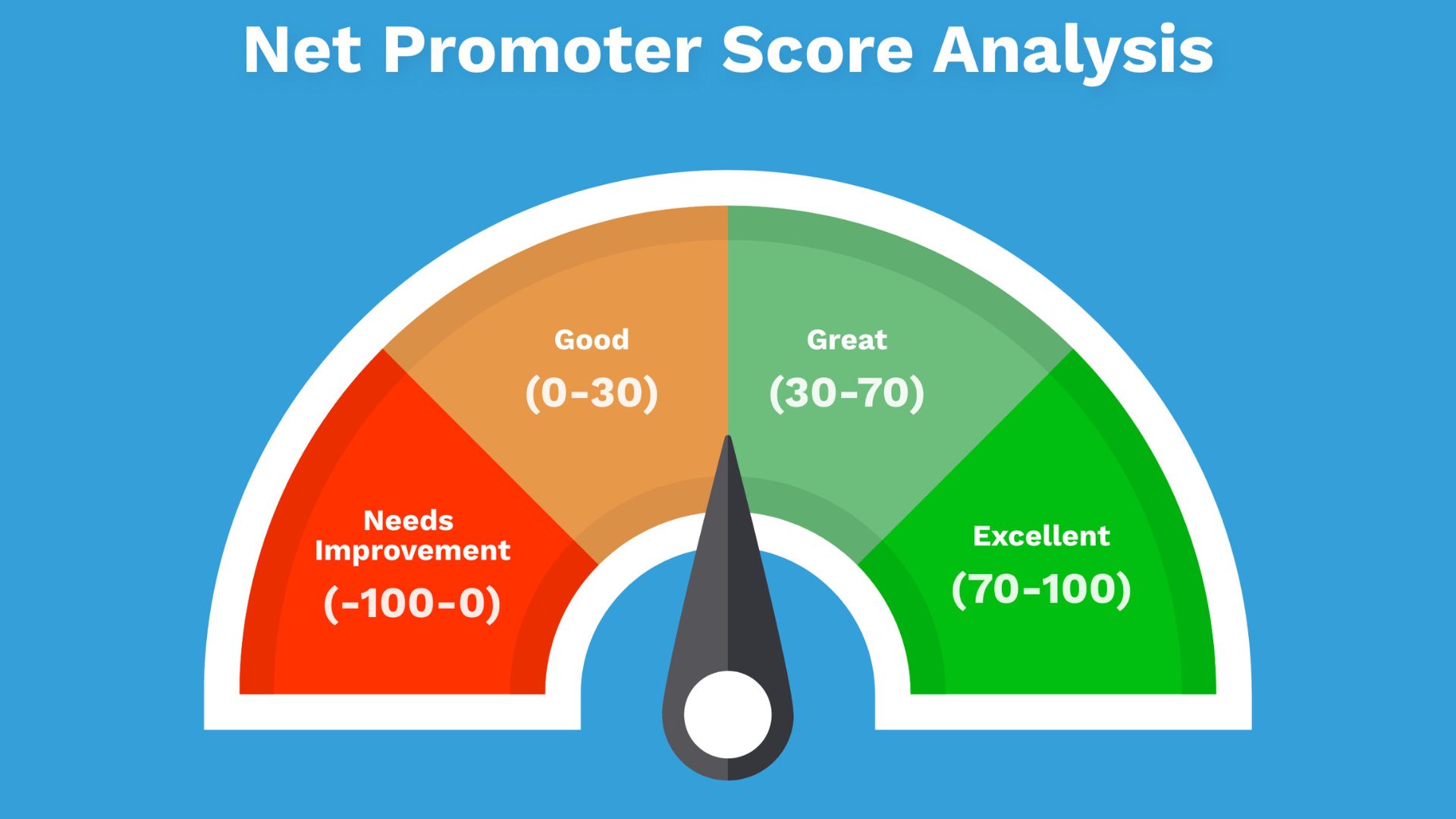
A simple and powerful way to measure customer loyalty, identify service gaps, and turn feedback into sustainable business growth.
Introduction
Every business wants loyal customers. But many business owners rely only on sales numbers to judge satisfaction.
Repeat orders may look strong. Complaints may appear limited. Yet silent dissatisfaction can still exist.
Net Promoter Score is a simple and practical way to measure customer loyalty. It does not require complex systems or large budgets. It asks one powerful question that reveals how customers truly feel about your business.
For Indian MSMEs, understanding loyalty is not optional. It directly affects growth, referrals, and long-term stability.
What Is Net Promoter Score?
Net Promoter Score is a customer loyalty measurement system based on one core question:
“How likely are you to recommend our company to others?”
Customers respond on a scale from 0 to 10.
Based on their answers, they are grouped into three categories:
- Promoters (9–10): Loyal and enthusiastic customers
- Passives (7–8): Satisfied but not strongly loyal
- Detractors (0–6): Unhappy customers who may discourage others
The final score is calculated by subtracting the percentage of Detractors from the percentage of Promoters.
The result can range from -100 to +100.
This simple structure makes the Net Promoter Score easy to understand andapply.
Why Loyalty Matters More Than Satisfaction
Many businesses conduct detailed surveys about product quality, service speed, or pricing. While useful, these surveys often become lengthy and complicated.
Net Promoter Score focuses on one essential factor: recommendation.
If customers are willing to recommend your business, it reflects trust. And trust drives growth.
In competitive Indian markets, referrals reduce marketing costs and increase credibility. A strong Net Promoter Score often indicates a strong brand reputation.
Why MSMEs Should Use Net Promoter Score
Large corporations invest heavily in research teams and analytics systems. But MSMEs can easily implement Net Promoter Score using basic tools such as email, WhatsApp, or printed feedback forms.
Benefits include:
- Clear measurement of loyalty
- Early warning of dissatisfaction
- Simple tracking over time
- Better understanding of service gaps
Instead of guessing customer sentiment, leaders get measurable feedback.
Common Mistakes in Using Net Promoter Score
Although the system is simple, misuse reduces its value.
Some businesses collect responses but never analyze them. Others focus only on the number and ignore customer comments.
The true strength of Net Promoter Score lies not only in the score itself, but in the insights behind it.
If Detractors mention delayed delivery, the issue is operational. If pricing is a common complaint, strategy may need revision.
How to Implement It Properly
Implementation does not need complexity.
- First, ask the core question clearly. Keep the format simple and consistent.
- Second, collect short follow-up feedback. Ask why the customer gave that rating.
- Third, review results monthly. Compare trends instead of reacting emotionally to single responses.
- Fourth, take corrective action. Address complaints quickly. Recognize and reward teams when promoters increase.
When used consistently, Net Promoter Score becomes a management tool rather than a survey exercise.
Turning Feedback into Strategy
The real value of Net Promoter Score appears when leadership connects feedback to decisions.
For example:
- If delivery delays reduce scores, process improvement is required.
- If customer support receives high praise, it can become a competitive strength.
- If loyalty drops after price changes, communication strategy may need adjustment.
As discussed in Udyamee India Magazine, structured feedback systems help businesses grow with clarity instead of assumptions.
Listening builds credibility. Acting builds trust.
Competitive Advantage of a High Score
A strong Net Promoter Score creates multiple advantages:
- Higher customer retention
- Increased referrals
- Lower marketing expenses
- Stronger brand positioning
- Better resilience during competition
Businesses with loyal promoters grow faster because satisfied customers become ambassadors.
In markets where competition is intense, reputation spreads quickly, both positive and negative.
Leadership Responsibility
Customer loyalty is not only a marketing responsibility. It reflects product quality, operational efficiency, pricing discipline, and service culture.
Senior leadership must regularly review the Net Promoter Score and treat it as a strategic indicator.
When teams understand that loyalty matters, behavior changes. Service improves. Accountability increases.
Numbers alone do not build loyalty. Consistent experience does.
Conclusion
Net Promoter Score is a powerful and practical tool for measuring customer loyalty and business strength.
For Indian MSMEs seeking sustainable growth, understanding how customers truly feel is essential. Sales figures show performance. Loyalty scores show future stability.
When businesses listen carefully and act quickly, customer relationships strengthen.
Measure loyalty. Improve experience. Build lasting growth.
Image Credits: Flowium
For more articles on startup growth, fundraising strategies, and business insights for Indian founders,
visit: Udyamee India Magazine