

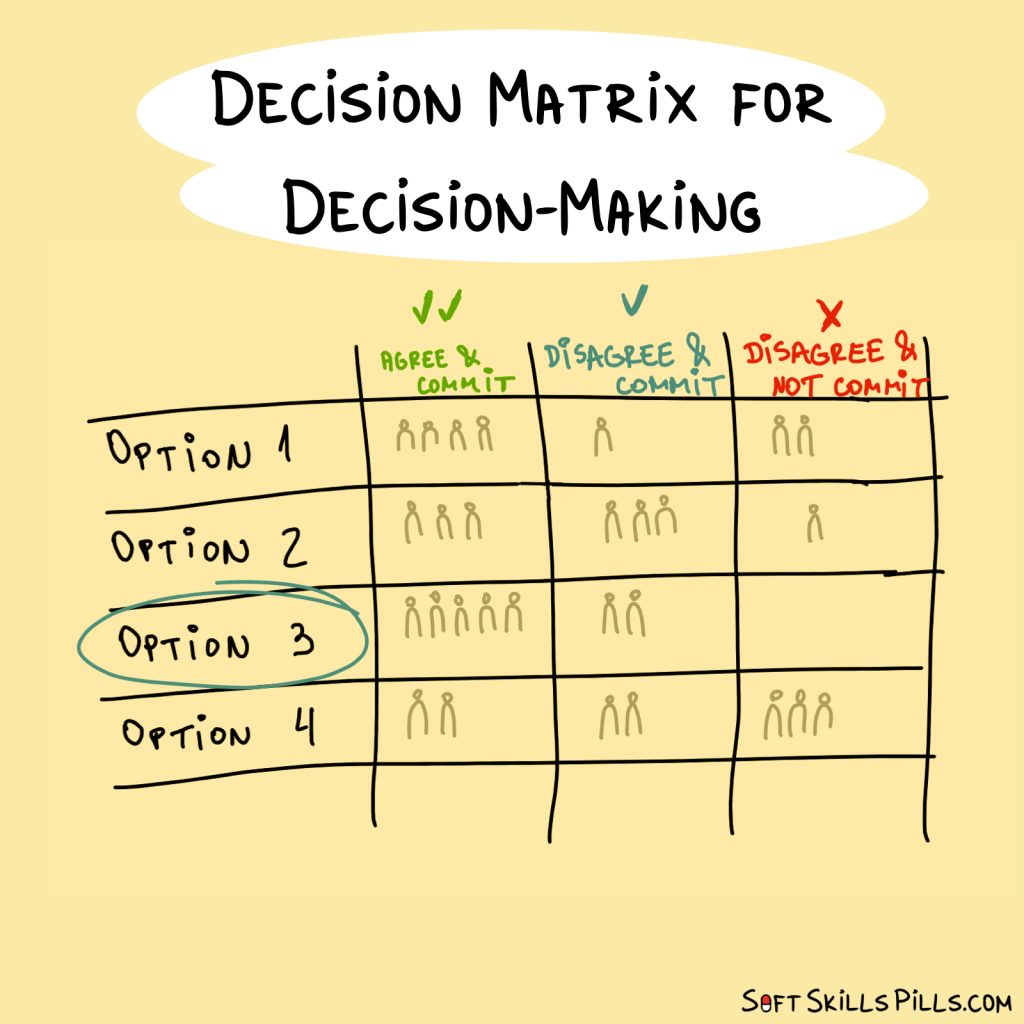
Running a business means making decisions every day. Some choices are simple, while others can be complex and risky. When several options are available, selecting the right one becomes difficult. This is where a Decision Matrix can help business owners bring clarity to the process.
A Decision Matrix is a practical tool that allows businesses to compare different options using clear criteria. Instead of relying only on guesswork or opinions, leaders can analyse choices logically and select the most suitable option.
For many Indian MSMEs and growing companies, using structured tools like a Decision Matrix can improve decision quality and reduce costly mistakes.
Why Businesses Need a Decision Matrix
Many business problems happen because decisions are made quickly without proper evaluation. In such cases, choices may depend on personal preferences rather than facts.
Using a Decision Matrix introduces structure into decision-making and helps businesses think more objectively.
It helps businesses:
- Compare different options clearly
- Evaluate choices using defined criteria
- Reduce personal bias in decisions
- Make decisions faster and with greater confidence
When companies begin using a Decision Matrix, discussions become more productive because every option is evaluated in a transparent way.
How This Tool Works
The idea behind this method is very simple. You list all available options and compare them using important factors that influence the decision.
For example, imagine you want to select a supplier for raw materials. Instead of deciding based on price alone, you evaluate suppliers using factors such as:
- Price
- Quality
- Delivery reliability
- Service support
- Experience
Each option is scored against these criteria. A Decision Matrix then helps calculate which option performs best overall.
This approach makes complicated decisions easier to understand and communicate within the team.
Steps to Create a Decision Matrix
Creating this tool does not require complicated software. A spreadsheet or even a simple table can work effectively.
Follow these steps:
1. Define the decision
Clearly identify what decision needs to be made.
2. List possible options
Write down all alternatives that you want to evaluate.
3. Choose evaluation criteria
Identify the factors that are important for making the decision.
4. Assign importance to each factor
Some criteria may matter more than others, so give them higher weight.
5. Score each option
Rate how well each option performs against every criterion.
6. Calculate the total score
Add the scores to identify the strongest option.
Using a Decision Matrix in this structured way helps teams focus on facts rather than assumptions.
Where Businesses Can Use It
A Decision Matrix can be used in many everyday business situations where multiple options exist.
Common examples include:
- Selecting vendors or suppliers
- Choosing a business location
- Hiring employees
- Evaluating marketing channels
- Comparing investment opportunities
When teams apply a Decision Matrix, discussions become more focused because decisions are supported by clear reasoning.
Benefits for Indian Business Owners
Many Indian businesses rely heavily on intuition and past experience. While experience is valuable, combining it with structured evaluation methods can lead to better outcomes.
Using a Decision Matrix offers several advantages:
- Improves clarity in decision-making
- Encourages logical evaluation
- Involves teams in the decision process
- Reduces the risk of poor choices
As businesses grow, tools like a Decision Matrix help create a consistent approach to evaluating opportunities and challenges.
Conclusion
Making the right decision is one of the most important responsibilities for any business leader. Without a clear process, it is easy to overlook important factors.
A Decision Matrix provides a simple yet powerful way to analyse options and choose the best path forward. By comparing alternatives systematically, businesses can reduce uncertainty and make more confident decisions.
For Indian entrepreneurs and MSME leaders, adopting tools like a Decision Matrix can strengthen planning, improve efficiency, and support long-term growth.
Image Credits: SoftSkillsPills
For more articles on startup growth, fundraising strategies, and business insights for Indian founders,
visit: Udyamee India Magazine