

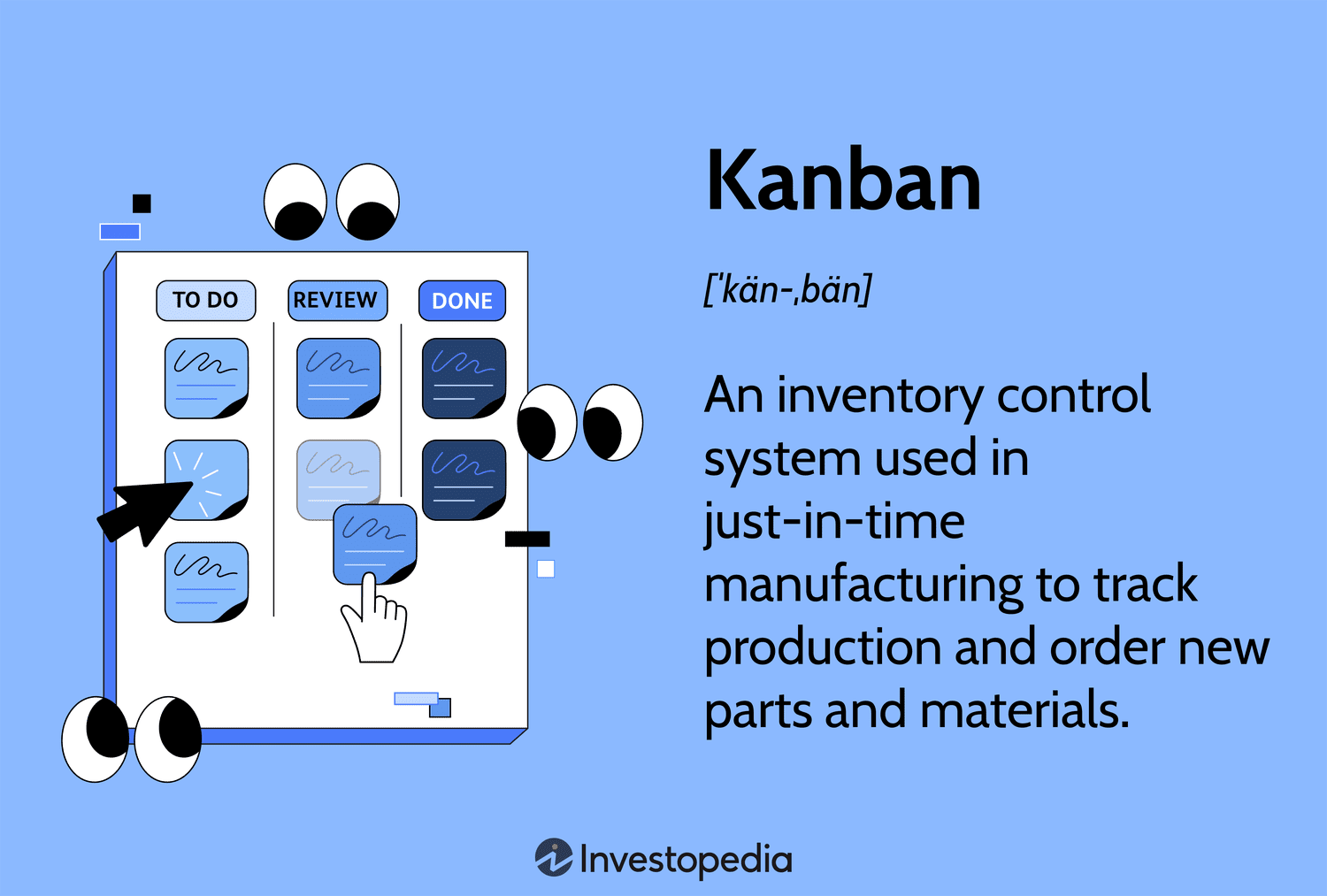
What Is a Kanban System?
The Kanban System is a visual workflow management method that helps teams see their tasks clearly and manage them step by step.
It usually works through a board divided into columns such as:
- To Do
- In Progress
- Completed
Each task moves across the board as work progresses.
The main idea of the Kanban System is simple: visualize work, limit overload, and improve flow.
Instead of pushing too much work into the system, it focuses on finishing tasks before starting new ones.
Why Many Businesses Struggle Without It
In many companies, tasks are assigned without understanding team capacity. Work keeps entering the pipeline, but nothing gets completed on time.
This leads to:
- Delays
- Confusion
- Stress among employees
- Reduced quality
- Poor customer satisfaction
The Kanban System prevents this by limiting the number of tasks that can be in progress at the same time.
When teams focus on completing work instead of just starting work, productivity improves naturally.
How the Method Works
The Kanban System is built on three simple principles:
- Visualize the workflow
- Limit work in progress
- Improve continuously
When tasks are clearly visible, bottlenecks become easy to identify.
For example, if too many tasks are stuck in the “In Progress” column, management immediately knows there is a capacity issue.
Instead of blaming employees, leaders can adjust workload or provide support.
This transparency builds accountability and teamwork.
Practical Example for Indian MSMEs
Imagine a small printing business handling multiple customer orders daily.
Without structure, orders get mixed up. Some are urgent, others are delayed, and staff constantly ask for updates.
After implementing a Kanban System, the company creates a board with stages like:
- Order Received
- Design
- Printing
- Quality Check
- Dispatch
Each order moves step by step.
Now, everyone can see:
- Which stage each order is in
- Where delays are happening
- Which department needs support
The Kanban System brings clarity without complex software or high investment.
Key Benefits for Growing Companies
When implemented properly, a Kanban System offers:
- Better visibility of work
- Reduced multitasking
- Faster completion rates
- Improved team coordination
- Lower operational stress
For leaders, it provides control.
For employees, it creates focus.
For customers, it improves delivery reliability.
Where You Can Apply It
The Kanban System is not limited to manufacturing. It works in:
- Sales pipeline management
- Marketing campaigns
- Service request tracking
- Inventory movement
- Project management
Even small offices can start using a whiteboard and sticky notes.
Digital tools can be introduced later, but the basic principle remains the same.
The power of the Kanban System lies in simplicity.
Common Mistakes to Avoid
Some businesses misunderstand the purpose of the Kanban System and treat it as just a task board.
To use it effectively:
- Do not overload the “In Progress” column
- Review the board regularly
- Encourage team discussion around bottlenecks
- Focus on improving flow, not just tracking tasks
The system works best when management supports continuous improvement.
Strategic Importance
In competitive markets, speed and reliability matter.
Businesses that complete work smoothly build stronger customer trust.
The Kanban System strengthens operational discipline without creating complex rules.
It helps leaders move from reactive management to proactive planning.
Instead of firefighting daily problems, management can identify patterns and improve processes steadily.
Conclusion
Growth brings complexity. Complexity brings confusion.
The Kanban System reduces that confusion by making work visible and manageable.
For Indian business owners who want structured growth, smoother operations, and better team alignment, this method provides a practical solution.
When work flows properly, performance improves naturally.
And when performance improves, sustainable growth follows.
Image Credits: Investopedia
For more articles on startup growth, fundraising strategies, and business insights for Indian founders,
visit: Udyamee India Magazine