

A practical guide to understanding external forces, and how smart business owners use PESTLE to make better decisions, reduce risks, and spot opportunities before competitors do.
What Is PESTLE Analysis?
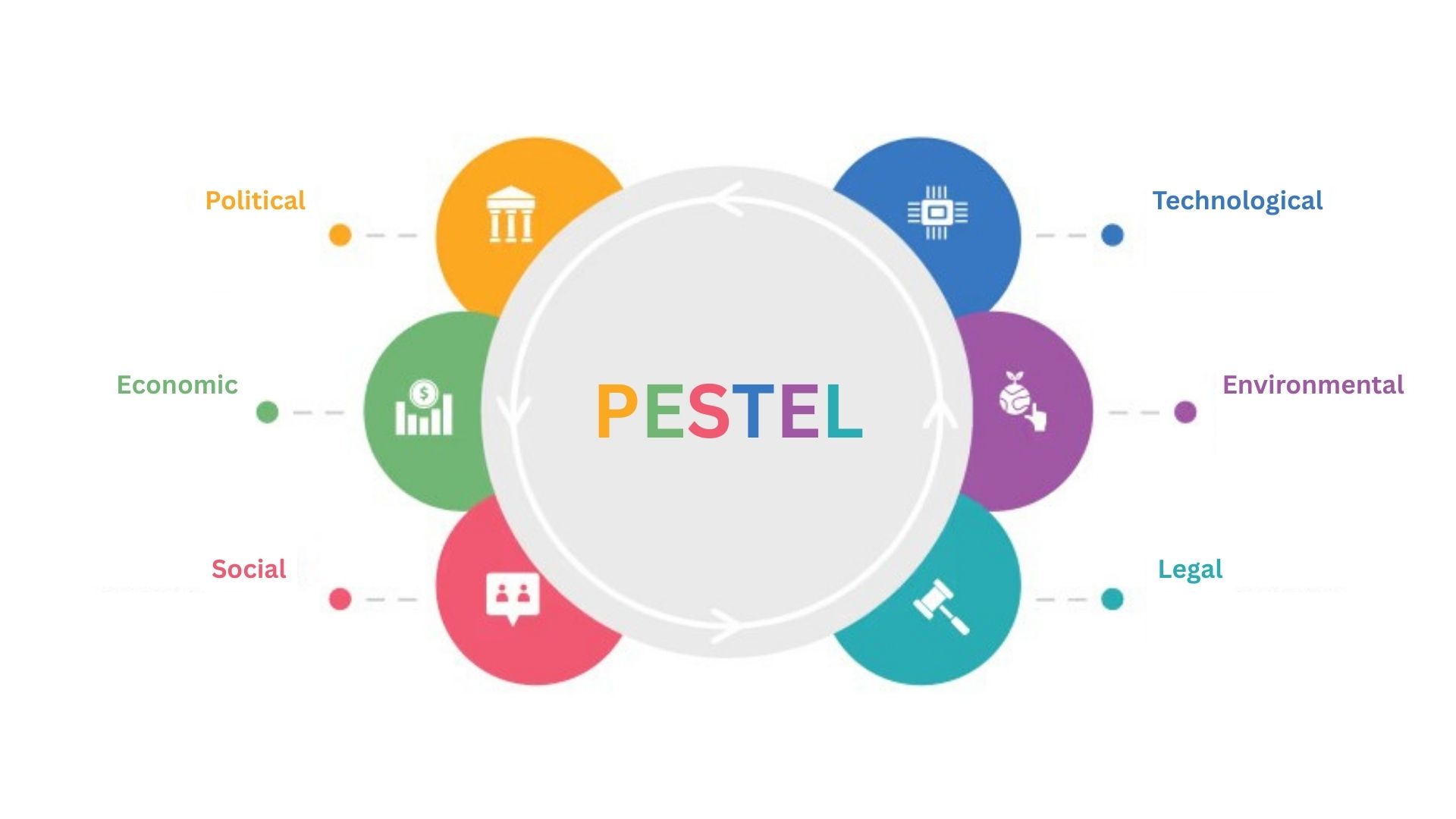
PESTLE Analysis is a strategic tool used to understand the external macro-environmental factors that can impact an organization, project, product, or industry.
The acronym stands for Political, Economic, Social, Technological, Environmental, and Legal factors.
Unlike internal analysis tools, PESTLE Analysis focuses on forces outside the organization’s control, helping leaders anticipate risks, identify opportunities, and make informed strategic decisions.
Why PESTLE Analysis Matters in Quality and Strategic Planning
In the context of ISO-based quality management and organizational planning, PESTLE Analysis supports:
- Risk-based thinking
- Strategic alignment
- Long-term sustainability
- Informed decision-making
Changes in regulations, economic conditions, technology, or social behavior can directly affect product quality, service delivery, compliance, and customer satisfaction.
PESTLE Analysis helps organizations stay proactive instead of reactive.
The Six Elements of PESTLE Analysis
1. Political Factors
These relate to government actions and public policies that may influence operations.
Examples:
- Government stability
- Trade policies and tariffs
- Taxation rules
- Public spending priorities
- Political relations between countries
Impact on organizations: Political changes can affect market access, supply chains, costs, and long-term investment decisions.
2. Economic Factors
Economic conditions that influence purchasing power and business performance.
Examples:
- Inflation and interest rates
- Exchange rates
- Economic growth or recession
- Employment levels
- Cost of raw materials
Impact on organizations: Economic shifts affect pricing strategies, demand forecasting, and profitability.
3. Social Factors
Social and cultural trends that shape customer behavior and workforce dynamics.
Examples:
- Demographics and population trends
- Lifestyle changes
- Education levels
- Cultural norms
- Consumer preferences
Impact on organizations: Understanding social factors helps align products, services, and communication with customer expectations.
4. Technological Factors
Technological developments that may create opportunities or disruptions.
Examples:
- Automation and digitalization
- Emerging technologies
- Cybersecurity concerns
- Research and development trends
- Technology adoption rates
Impact on organizations: Technology influences efficiency, quality consistency, innovation, and competitive advantage.
5. Legal Factors
Laws and regulations that organizations must comply with.
Examples:
- Labor laws
- Health and safety regulations
- Data protection and privacy laws
- Industry-specific compliance requirements
- Intellectual property rights
Impact on organizations: Legal non-compliance can result in penalties, reputational damage, and operational disruption.
6. Environmental Factors
Environmental and sustainability-related considerations.
Examples:
- Climate change impacts
- Environmental regulations
- Resource availability
- Waste management requirements
- Sustainability expectations
Impact on organizations: Environmental factors increasingly influence customer trust, regulatory compliance, and long-term viability.
When to Use PESTLE Analysis
PESTLE Analysis is particularly useful when:
- Entering a new market
- Launching a new product or service
- Developing organizational strategy
- Conducting risk assessments
- Supporting management reviews
- Aligning with ISO quality and risk-based frameworks
It is often used before SWOT analysis to ensure external factors are clearly understood.
Simple Example: Service Organization
A service company planning expansion into a new region may use PESTLE Analysis to:
- Assess local regulations (Legal)
- Understand customer behavior (Social)
- Evaluate digital readiness (Technological)
- Analyze economic stability (Economic)
This reduces uncertainty and improves planning quality.
Common Mistakes to Avoid
- Treating PESTLE Analysis as a one-time exercise
- Listing factors without analyzing their impact
- Focusing only on negative risks and ignoring opportunities
- Making it too generic instead of context-specific
PESTLE is valuable only when insights are translated into actions.
Output of a PESTLE Analysis
A well-executed PESTLE Analysis results in:
- Clear understanding of external risks and opportunities
- Inputs for strategic planning and risk registers
- Better alignment between strategy and external realities
- Improved decision-making at leadership level
Conclusion
PESTLE Analysis is a simple yet powerful tool for understanding the external environment in which an organization operates.
When used thoughtfully, it supports strategic clarity, risk-based thinking, and sustainable quality management. It doesn’t replace decision-making—but it strengthens it by grounding plans in real-world conditions.
In a changing world, businesses that understand external forces early are the ones that survive and thrive.
Image Credits: Vectorstock
For more articles on startup growth, fundraising strategies, and business insights for Indian founders,
visit: Udyamee India Magazine