

Introduction
When Meesho was founded in 2015, it identified a gap that India had ignored for decades. Millions of women wanted to earn, but social rules, family duties, lack of money, and limited mobility kept them out of business and jobs. Over time, Women Ecommerce emerged as a practical solution, not through policy speeches but through smartphones and simple technology.
Today, Meesho alone has enabled more than 3 million women to start businesses from their homes. This is not just a startup success story. It reflects how digital platforms are quietly changing who gets to participate in India’s economy.
The Barriers Women Traditionally Faced
For years, women’s participation in India’s workforce has stayed near 25 percent, among the lowest in the world. Women faced many barriers such as safety concerns, household responsibilities, lack of financial support, and limited access to markets.
Traditional business models demanded capital, physical shops, travel, and male-dominated supply chains. For many women, especially in small towns, these barriers were impossible to cross. Women Ecommerce began to break these walls by removing the need for physical presence and heavy investment.
E-Commerce as a Practical Enabler
Digital platforms changed the rules of participation. Women Ecommerce works because it fits into real lives instead of demanding lifestyle changes.
Key advantages include low or zero investment, home-based operations, flexible working hours, and access to customers across India. Women can sell using a smartphone, operate between household responsibilities, and avoid safety risks linked to travel.
Instead of asking women to leave their homes, e-commerce brought opportunity directly to them.
Meesho’s Women-First Approach
Meesho designed its platform with inclusion as a core principle. Women Ecommerce on Meesho works through zero commission, regional-language interfaces, and a no-inventory model where logistics are handled by the platform.
Training videos, tutorials, and community support make it easier for first-time entrepreneurs to learn business basics. As a result, women from Tier 2 and Tier 3 cities now earn ₹15,000 to ₹50,000 per month, often becoming the first income earners in their families.
Real Impact on Everyday Lives
The impact of Women Ecommerce is visible far beyond income numbers. Women report greater confidence, stronger decision-making power at home, and improved respect within their families.
Children grow up watching their mothers work and earn, reshaping how the next generation views gender roles. These outcomes are not isolated success stories. They are repeating across regions, communities, and age groups.
A Growing Digital Ecosystem
Meesho is not alone in this journey. Women Ecommerce is supported by a broader ecosystem of platforms. Amazon Saheli and Flipkart onboard thousands of women sellers, while Nykaa enables women across beauty, retail, and content creation.
Women perform especially well in categories like fashion, beauty, home décor, kids’ products, wellness, and handicrafts. In these areas, lived experience becomes a business advantage rather than a limitation.
Economic and Social Impact at Scale
Today, an estimated 5 to 7 million women earn directly or indirectly through Women Ecommerce. Household incomes rise by 30 to 50 percent, savings improve, and spending on education and healthcare increases.
Beyond money, women gain digital skills, financial confidence, and problem-solving abilities. These skills stay with them for life, enabling long-term empowerment rather than short-term income.
Challenges That Still Exist
Despite progress, Women Ecommerce faces challenges. Many women still struggle with family resistance, time constraints, limited access to credit, and digital literacy gaps.
To address these issues, platforms must invest in training, policymakers must improve credit access, and communities must support women-led businesses. Growth will be faster when support systems grow alongside opportunity.
The Road Ahead
By 2030, Women Ecommerce could enable more than 10 million women entrepreneurs, especially as internet access expands in rural India. With better financial products, skill development, and safety frameworks, women-led digital businesses can scale faster and formalize more easily.
Conclusion
The rise of Women Ecommerce represents more than a shift in shopping habits. It represents access, dignity, and opportunity. When women earn, families become stronger, communities grow stable, and the economy benefits.
This is not charity or social obligation. It is smart economics. Digital platforms are not just changing how India sells and buys.
They are changing who gets to build, earn, and lead.
And that change is long overdue.
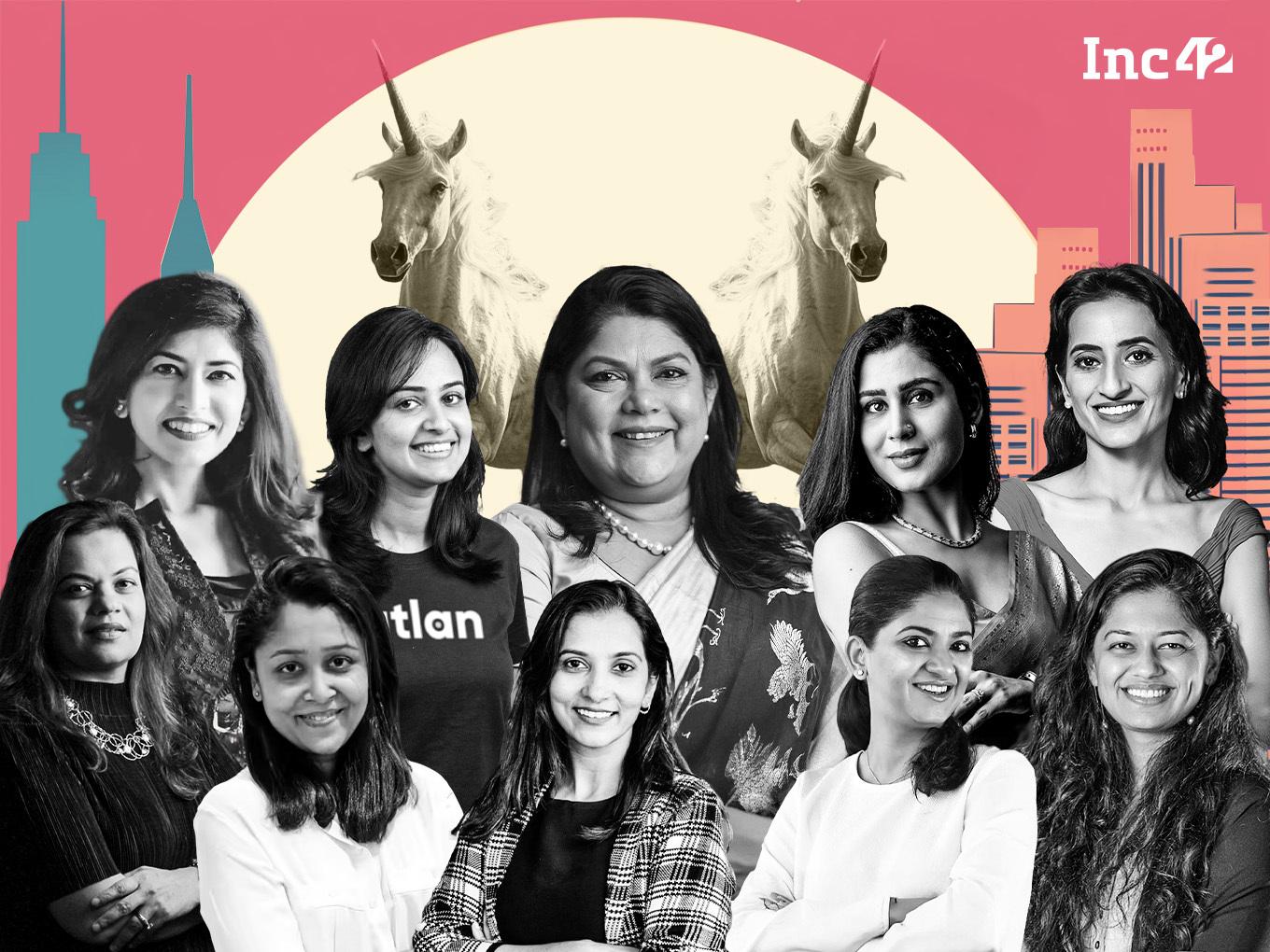
Image Credits: INC 42
For more articles on startup growth, fundraising strategies, and business insights for Indian founders, visit: Udyamee India Magazine