

Introduction
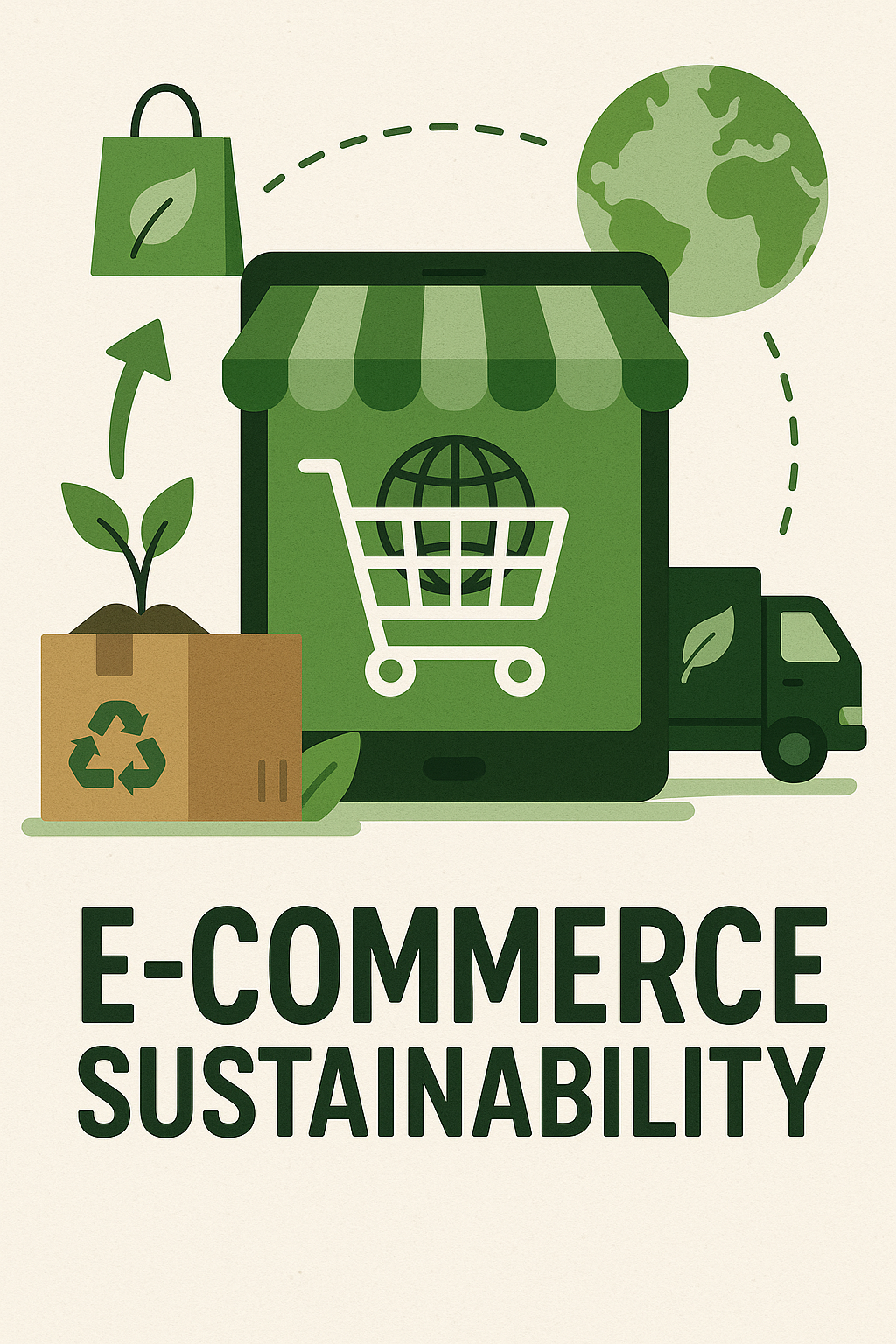
India’s e-commerce sector has grown faster than expected. Millions of parcels move daily through warehouses, dark stores, and delivery hubs. While this brings convenience, it also creates pollution, packaging waste, carbon emissions, and stress on city infrastructure.
Green E-Commerce is no longer optional—it is essential. Flipkart, Amazon India, Meesho, Paytm, and emerging platforms are leading this sustainable shift, showing that growth and environmental care can go hand in hand. For small and medium business owners, understanding these transformations is key to long-term success. This movement is also creating new opportunities for local logistics providers, eco-friendly packaging suppliers, and tech innovators who focus on sustainability.
1. Environmental Cost of E-Commerce
Every online order impacts the environment:
- High Emissions: Delivery vehicles, warehouses, and returns released nearly 11 million metric tons of CO₂ in 2024.
- Packaging Waste: Single-use plastics and oversized boxes fill landfills; in some cities, packaging accounts for up to 30% of waste.
- Return-Heavy Categories: Fashion and electronics returns double transport emissions.
- Energy-Intensive Warehouses: Cold storage, 24×7 lighting, and cooling systems consume massive electricity.
These challenges make Green E-Commerce essential for all retailers and logistics partners.
2. Flipkart’s EV100 Leadership
Flipkart is aiming for 100% electric vehicles (EVs) by 2030:
- 10,000+ EVs already deployed
- 75% operating in Tier-I cities
- 20% faster last-mile delivery
- 40,000 metric tons of CO₂ eliminated annually
- Charging stations installed at fulfillment centers
This demonstrates that sustainable logistics can save costs while improving efficiency and reliability for customers.
3. Sustainable Packaging
Platforms now adopt smarter, eco-friendly packaging:
- Recyclable paper boxes
- Right-sized packaging to reduce waste
- Biodegradable plant-fiber alternatives
- Reusable packaging pilots
- Removal of bubble wrap and Styrofoam
These measures cut both environmental impact and operational expenses while encouraging customers to make greener choices.
4. Green Warehousing
Warehouses consume huge energy. Sustainable practices include:
- Rooftop solar panels
- LED lights with motion sensors
- Rainwater harvesting
- Waste recycling
- LEED-certified buildings
Green warehousing also lowers energy bills while promoting eco-friendly operations, and companies are increasingly integrating smart technology to further reduce electricity use.
5. Carbon-Neutral Practices
Many platforms invest in initiatives such as:
- Tree plantations
- Renewable energy projects
- Community-led conservation
- Carbon credit programs
These strategies ensure long-term responsibility, build brand credibility, and demonstrate commitment to the environment.
6. Indian Platforms’ Unique Approaches
- Meesho: Educates sellers, promotes eco-packaging, and encourages local sourcing.
- Paytm: Reduces paper usage and branch infrastructure.
- Infibeam: Runs energy-efficient data centers and supports sustainable online stores.
7. Consumers Are Going Green
Indian consumers are increasingly eco-conscious:
- 72% consider environmental impact before buying
- 35% are willing to pay extra for sustainable packaging
- Youth demand genuine sustainability
- Brands with strong eco-commitments earn higher loyalty
- Word-of-mouth and social media amplify eco-friendly brand choices
Consumer behavior is now driving Green E-Commerce growth.
8. Regulations Supporting Sustainability
Government policies support eco-friendly practices:
- Extended Producer Responsibility (EPR) for packaging
- E-waste management rules
- Incentives for EVs and renewable energy
- Carbon disclosure and sustainability reporting
Early adoption provides businesses with long-term competitive advantages while helping India meet its climate goals.
9. Innovations Shaping the Future
Future Green E-Commerce will be powered by:
- Electric drone delivery
- AI-driven route optimization
- Circular economy models
- Blockchain for supply-chain verification
- Biodegradable electronics
These innovations make sustainability integral to business operations while improving efficiency and reducing costs.
Road to 2030
By 2030, Indian platforms aim to:
- Use mostly EVs for last-mile delivery
- Remove single-use plastics entirely
- Power warehouses with renewable energy
- Achieve carbon-neutral operations in major cities
- Integrate circular economy practices in fashion and electronics
- Expand partnerships with green logistics and packaging startups
Conclusion
Green E-Commerce not only protects the environment but also strengthens business performance. Lower costs, higher customer loyalty, improved brand trust, and regulatory compliance make it a strategic advantage. For MSMEs and local business owners, adopting sustainable practices is no longer optional.
A greener India is not just a dream, it is a profitable and practical business strategy. By investing in eco-friendly methods today, businesses secure a stronger, more sustainable future.
Image Credits: Customcy
For more articles on startup growth, fundraising strategies, and business insights for Indian founders, visit: Udyamee India Magazine