

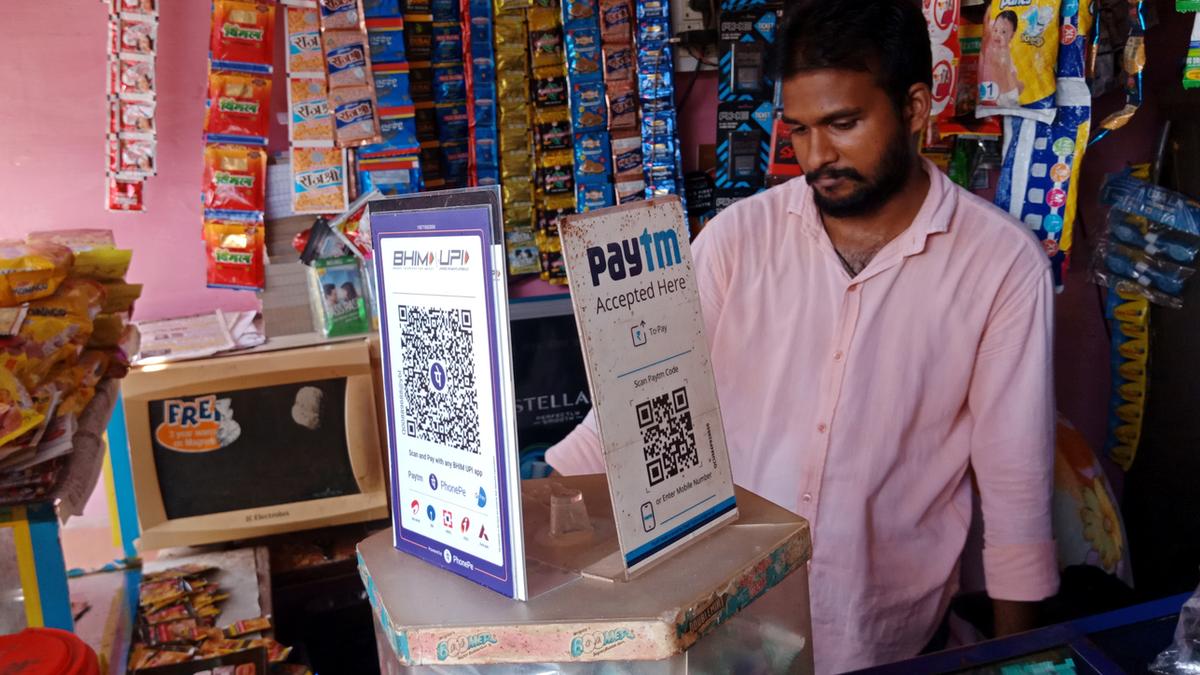
Introduction
In 2010, when Paytm started as a simple mobile recharge platform, Indian e-commerce depended heavily on cash-on-delivery. Customers did not trust online transactions, and businesses struggled with cash handling, delays, and returns. Fast forward to 2025, and India processes more than 130 billion UPI transactions every year. This dramatic change did not happen overnight.
Digital Payments quietly became the backbone of India’s e-commerce growth, improving trust, speed, and profitability for businesses of all sizes.
The Cash-on-Delivery Era
In the early days, India’s online market faced serious barriers. Only about 35 percent of Indians had bank accounts, credit card usage was below 2 percent, and fear of fraud was high. Cash-on-delivery solved trust issues but created new problems.
Businesses faced high cash logistics costs, delayed settlements, fake orders, and high return rates. Although cash-on-delivery still accounts for around 20–25 percent of transactions today, its sharp decline from over 80 percent in 2015 shows how Digital Payments reshaped consumer behaviour and business efficiency.
Building India’s Digital Payment Foundation
India’s payment revolution rests on strong policy and infrastructure decisions. Jan Dhan Yojana brought over 460 million people into the banking system. Aadhaar-based KYC reduced fraud and onboarding time. RuPay lowered transaction costs, while IMPS enabled instant transfers.
Affordable mobile internet after Jio’s entry connected small towns and villages. RBI’s balanced regulation created system-wide trust. These foundations made Digital Payments reliable, affordable, and accessible even for small merchants.
UPI: The Turning Point
Launched in 2016, UPI changed how India pays. It enabled instant bank-to-bank transfers using a simple ID, without extra merchant charges. Interoperability across banks and apps made adoption effortless.
UPI transactions grew from 17 million in 2016–17 to 131 billion in 2023–24. India became the global leader in real-time payments. For e-commerce, Digital Payments through UPI reduced checkout friction and increased conversion rates.
Razorpay, CCAvenue, and Instamojo: Powering Merchant Payments
Behind every successful online store is a payment system customers never notice—but merchants rely on completely.
Razorpay simplified payment acceptance for startups, SMEs, and SaaS businesses. Its APIs, dashboard analytics, subscriptions, and automated settlements helped thousands of Indian businesses manage Digital Payments without complex banking processes.
CCAvenue, one of India’s oldest payment gateways, supports multiple payment modes and enterprise-scale transactions. In 2023, it became the first gateway to process Digital Rupee retail payments, placing Indian merchants at the forefront of payment innovation.
Instamojo empowered small sellers, creators, and D2C brands by offering easy store setup, payment links, and quick onboarding. For first-time entrepreneurs, Instamojo made Digital Payments approachable and practical.
Together, these platforms enabled merchants of all sizes to accept payments securely, scale faster, and reduce operational risk.
Why Quick Commerce Depends on Digital Payments
10-minute delivery models cannot survive without instant payment confirmation. Quick commerce depends on low-cost transactions, fast refunds, and reliable settlement cycles. Small-ticket orders only make sense when Digital Payments eliminate delays and cash handling risks.
How Payments Changed E-Commerce Economics
The shift to prepaid orders reduced cash handling and return costs. Faster settlements improved working capital. Subscription models, instant refunds, and data-driven credit became possible.
For businesses, Digital Payments directly improved profitability and scalability.
Beyond Shopping: Financial Inclusion
Payments transformed lives beyond shopping. Migrant workers send money home instantly. Entrepreneurs gain credit access through transaction data. Women achieve financial independence through digital businesses. Rural India joins the formal economy via mobile banking.
Digital Payments became both an economic and social equaliser.
The Road Ahead
Challenges remain, including cyber fraud, data privacy, and digital literacy. However, strong RBI oversight and competition among platforms continue to improve security and reliability. Future innovations include Digital Rupee expansion, voice payments, biometric authentication, and cross-border UPI.
Conclusion
India’s journey from cash to cashless reshaped trust, efficiency, and inclusion. Digital Payments did not just support e-commerce—they powered it. In under a decade, India built one of the world’s most advanced payment ecosystems.
For Indian businesses, the future is already here—fast, scalable, and unmistakably digital.
Image Credits: The Hindu
For more articles on startup growth, fundraising strategies, and business insights for Indian founders, visit: Udyamee India Magazine