

Introduction
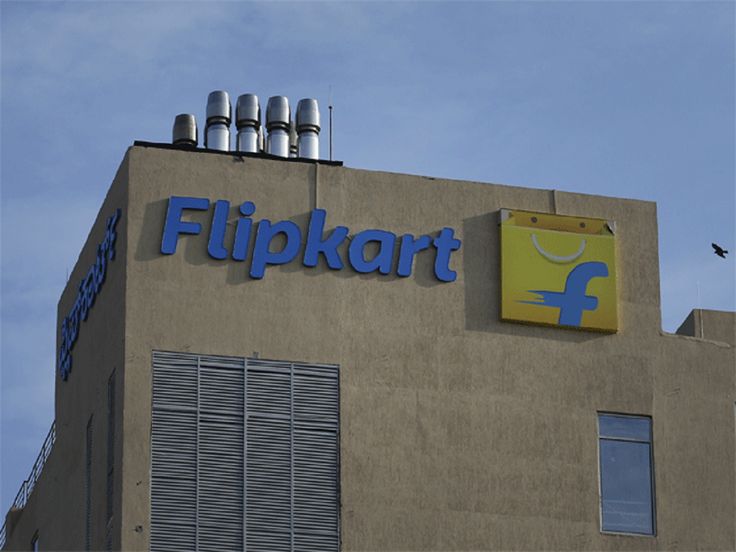
Digital Retail in India has changed the way the country buys and sells, and one company has shaped this journey more than most. Back in October 2007, two young engineers, Sachin Bansal and Binny Bansal, started with nothing more than an online bookstore and a dream. Operating out of a small apartment in Bangalore, they slowly built what we now know as Flipkart. Today, Flipkart serves more than 500 million registered users and delivers close to 8 million shipments every month, proving how deeply online retail has entered everyday life.
This journey wasn’t fast or simple. But it became one of the most inspiring business stories in modern India, especially for small and medium business owners trying to understand how Digital Retail in India actually works on scale.
1. A Simple Start That Sparked a Wave
The early days of Flipkart reflect how Digital Retail in India began with simple, practical ideas. Books were chosen because they were easy to sell online, not because they promised high margins. At that time, customer trust was low, digital payments were rare, and logistics networks were unreliable.
Flipkart’s introduction of cash-on-delivery became a defining moment. This single move reshaped customer confidence and accelerated the growth of Digital Retail in India, convincing millions that online shopping could be safe and dependable.
2. Smart Pivots That Changed the Game
By 2010, Flipkart expanded into electronics, mobiles, and entertainment products. It also launched Ekart, its in-house logistics arm. This decision transformed Digital Retail in India by giving Flipkart control over deliveries, returns, and customer experience.
The acquisition of Myntra in 2014 strengthened its position in fashion and lifestyle. By then, the digital retail ecosystem had moved beyond experimentation and started functioning as a national growth engine.
3. A Historic Partnership That Accelerated Growth
In 2018, Digital Retail in India witnessed a defining moment when Walmart acquired 77 percent of Flipkart for 16 billion dollars. The deal brought financial muscle, global retail expertise, and long-term confidence in India’s digital market.
By 2025, Flipkart’s revenue stands at approximately 9.57 billion dollars, reflecting the growing scale and maturity of Digital Retail in India.
4. Innovation That Keeps the Market Moving
Innovation remains a core driver of Digital Retail in India. Flipkart continues to invest in voice-based shopping, AI-led product recommendations, smart fulfilment centers, and quick-commerce delivery through Flipkart Minutes.
Today, this sector operates in an environment where speed, accuracy, and convenience are no longer advantages but basic expectations.
5. Building a Greener and More Inclusive Future
As Digital Retail in India grows, sustainability and inclusion are becoming priorities. Flipkart’s commitment to shifting entirely to electric vehicles by 2030 is already underway, with over 10,000 EVs deployed by 2024.
Through initiatives like Flipkart Samarth, the platform supports over one lakh artisans and small sellers from underserved regions, expanding participation in the digital economy.
6. Empowering Indian Businesses to Think Bigger
The most visible impact of Digital Retail in India is on MSMEs. Platforms like Flipkart enable small sellers to reach customers nationwide. During the 2023 festive season, sellers recorded nearly 2.5 times higher sales, with customer visits crossing 1.4 billion in just eight days.
For entrepreneurs, this model offers scale, visibility, and growth that were once impossible for local businesses.
7. The Road Ahead
With rising competition from quick commerce and regional platforms, Flipkart continues investing in AI, supply chains, and dark stores. Digital Retail in India is projected to reach 163 billion dollars by 2026, growing at nearly 27 percent annually.
This expansion signals new opportunities across logistics, technology, retail, and entrepreneurship.
Conclusion
The Flipkart story mirrors the rise of Digital Retail in India, from a small startup to a massive digital ecosystem serving half a billion people. It is a story built on trust, innovation, and long-term thinking.
As India becomes increasingly digital, this ecosystem will continue shaping how businesses grow and how opportunities spread. For readers of Udyamee India, the message is simple: the future is digital, and this is where sustainable growth begins.
Image credits: Pinterest